
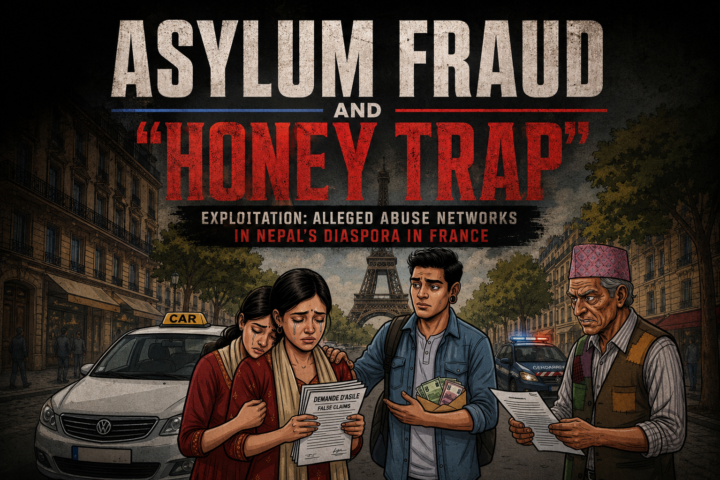
Europe’s asylum system exists to protect people fleeing genuine persecution. But according to accounts circulating within Nepal’s diaspora community in France, that same system is allegedly being exploited by a small number of individuals — using fabricated documents and staged claims of ethnic persecution to secure economic opportunity, while vulnerable newcomers, particularly women, are reportedly drawn into exploitative “honey trap” schemes under the guise of help with jobs, housing, and immigration paperwork.
These are serious allegations, not established legal findings. No court has ruled on the claims described here, and no individuals are named. But the pattern described — spanning fraudulent asylum applications, family-based fraud networks, and the sexual and financial exploitation of migrant women — is worth examining closely, both for what it means to real refugees and for what it reveals about accountability gaps between Nepal and Europe.
A Loophole in the Asylum System
Under European asylum law, individuals who can demonstrate genuine persecution on ethnic, social, or political grounds may be granted refugee status. This provision exists for people with legitimate, documented fear of harm. However, according to reports from within the community, some applicants have allegedly used fabricated claims — prepared with falsified documentation in Nepal — as a shortcut to economic migration, rather than a genuine protection need.
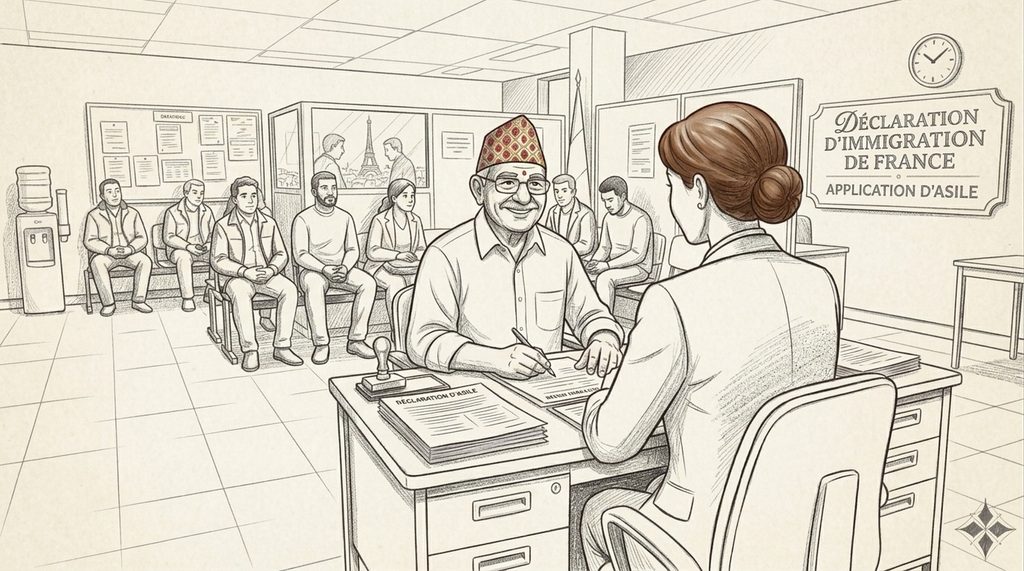
Isolated incidents of ethnic discrimination do occur in Nepal’s more remote regions. But according to these accounts, conditions in urban areas are often far less severe than what is portrayed in some asylum narratives, with hardship stories allegedly constructed to fit legal criteria rather than reflecting lived experience.
How the Alleged Fraud Network Reportedly Operates

Once an individual becomes familiar with the asylum process, the same template is reportedly reused to bring family members and acquaintances to Europe through similar claims. In some cases, this activity is said to be loosely organized around a community “support association” — an entity that presents itself publicly as a cultural or advocacy organization, but which, according to these accounts, allegedly:
- Fabricates narratives involving ethnic persecution, gender-based persecution, or political victimization
- Coaches applicants on interview “scripts”
- Coordinates with lawyers to prepare supporting documentation
- Charges substantial fees for these services
Family Chains and Concealed Identities

Once one family member’s asylum claim is approved, others — siblings, nephews, and extended relatives — are reportedly brought over using the same approach. Name changes are said to be common, allegedly to obscure family connections, since immigration authorities may grow suspicious if multiple applicants from one family file similar claims. Another reported route involves entering a different European country on a seasonal work visa before crossing into France to file an asylum claim there.
The Cost to Genuine Refugees
The greatest harm from this alleged abuse falls on authentic refugees — people who have genuinely fled ethnic or political persecution. When fraudulent claims accumulate, authorities may become more skeptical of all applications, making it harder for legitimate asylum seekers to be believed. This is precisely why claims of systemic abuse, even unproven ones, deserve serious scrutiny rather than dismissal.
The “Honey Trap”: Alleged Sexual and Economic Exploitation of Nepali Women Abroad

A second, related pattern described in community accounts involves the alleged exploitation of Nepali women — often newly arrived and financially vulnerable — through relationships built on false promises of help.

The Mask of Influence
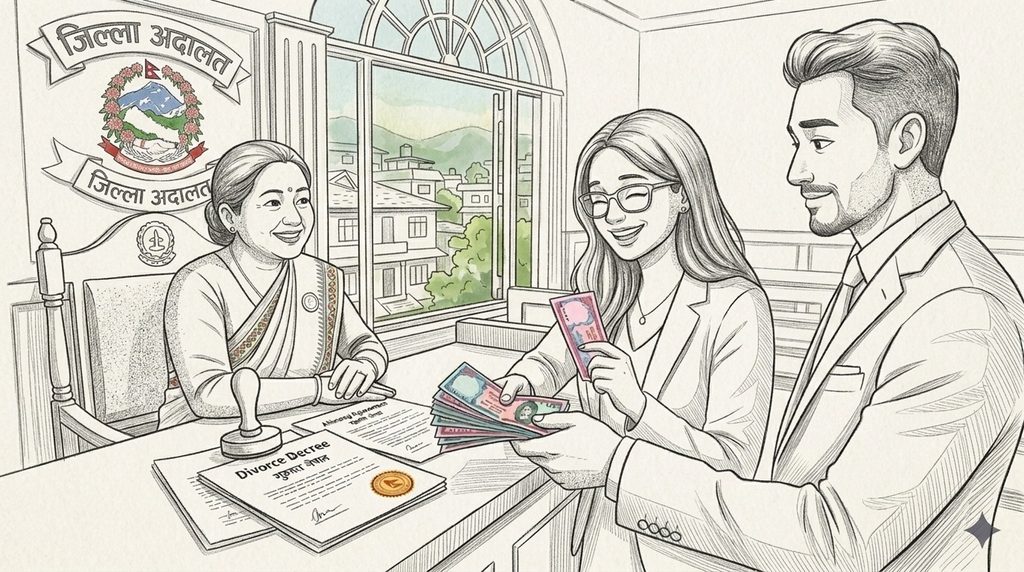
According to these accounts, some members of younger generations within family-run associations allegedly use their family’s community standing or network as leverage to project personal influence. By promising jobs, help with asylum applications, or even falsified documents, they reportedly gain the trust of newly arrived, economically insecure individuals. What looks like community support on the surface is, according to these claims, sometimes the opening move in a more calculated pattern of manipulation.
How the Alleged Trap Is Set
Based on accounts from within the community, a recurring pattern has been described:
- Initial contact is made through social media, particularly Messenger — often from multiple different accounts
- Intermediaries reportedly approach newly arrived women with offers of help finding housing and low-wage work, such as in beauty salons
- Women living in other European countries on seasonal visas are allegedly lured to Paris through social media or TikTok
- Victims are allegedly kept in “irregular” immigration status until their documents are settled, a state that reportedly increases dependency and vulnerability

A Double Burden: Financial and Sexual Exploitation
In exchange for help with asylum processes, victims are reportedly pressured to pay significant sums of money while also facing demands tied to personal or sexual coercion. Refusal is allegedly met with threats of deportation, which — for women without secure immigration status — creates significant fear of resisting or reporting. In some cases, women acting as intermediaries are said to play a role both in persuading victims and in managing outside inquiries, including from family back in Nepal.

Why Victims Reportedly Struggle to Come Forward
Victims are often themselves in irregular immigration status, making them reluctant to approach police or legal authorities. According to these accounts, attempts to reach out for help are sometimes met with being blocked, deflected, or — in a troubling pattern — having blame shifted back onto the victim. Where local community organizations have ties to the individuals involved, victims reportedly find it even harder to access support or accountability.
A Moral Reckoning Within the Diaspora: Legal Gaps and Possible Solutions
Why Accountability Is Reportedly So Difficult
Once asylum is granted in a European country, international legal reach into smaller-scale fraud or extortion cases originating in Nepal is reportedly very limited. Many people defrauded in Nepal have no direct means of pursuing the accused abroad, while victims in cities like Paris — often in irregular status themselves — are hesitant to file complaints. This dual legal gap, according to these accounts, allows alleged wrongdoing to persist largely unaddressed.
Silence Within the Community
In cases where the person accused is connected — by family or association — to an influential figure or organization, that relationship reportedly limits both social accountability and access to legal recourse. As a result, avenues for victims to seek justice are said to narrow further.
The Pull of “Easy Success” for a New Generation
The visible display of branded lifestyles, expensive cars, and frequent international travel on social media is reportedly shaping expectations among younger community members, allegedly making shortcuts more appealing than long-term, legitimate paths to success — a trend that, if accurate, could erode community trust over time.

What Can Be Done: A Shared Responsibility
Based on the concerns raised in these accounts, several potential remedies have been suggested:
- Strengthening legal cooperation and information-sharing between Nepal and European countries
- Requiring greater transparency and accountability from diaspora organizations
- Establishing confidential reporting channels specifically for victims
- Tightening evidence verification and document authentication in asylum applications
- Educating younger generations about long-term ethical and legal risks
Accountability Above Personal Status
Regardless of an accused individual’s family ties or community standing, protecting or concealing wrongdoing is not acceptable. According to these accounts, only by prioritizing ethics, accountability, and justice over personal influence can such patterns be prevented from repeating.

Conclusion
Asylum law exists to protect genuine victims of persecution — not to serve as a shield for fraud. Based on the concerns raised here, stronger document verification and deeper international cooperation between Nepal and European nations appear to be necessary long-term solutions.
The honey trap and exploitation patterns described are not, according to these accounts, a matter of individual moral failure, but a structural problem rooted in the misuse of power and community influence. Listening to victims, taking threats seriously, and building organized, confidential support mechanisms are presented in these accounts as the path forward.
This is not described as the story of a single person or family, but as a signal — according to these community accounts — of a broader, structural issue slowly taking root within the Nepali diaspora. Without social awareness, transparent oversight, and international legal cooperation, addressing these alleged patterns will remain difficult.
This article is based on claims and accounts circulating within the Nepali diaspora community. No individuals are named, and the allegations described have not been independently verified or adjudicated by any court or authority.
Hashtags: #AsylumFraud #HoneyTrap #NepaliDiaspora #MigrantRights #ImmigrationFraud #ParisNepal #HumanTrafficking #AsylumAbuse